PhysioGo 101A
Comfort and safety
THE MODERN PHYSIOGO 101A
DEVICE REPRESENTS THE PHYSIOGO UNIT LINE
MANUFACTURED BY ASTAR COMPANY
THE MODERN PHYSIOGO 101A
DEVICE REPRESENTS THE PHYSIOGO UNIT LINE
MANUFACTURED BY ASTAR COMPANY
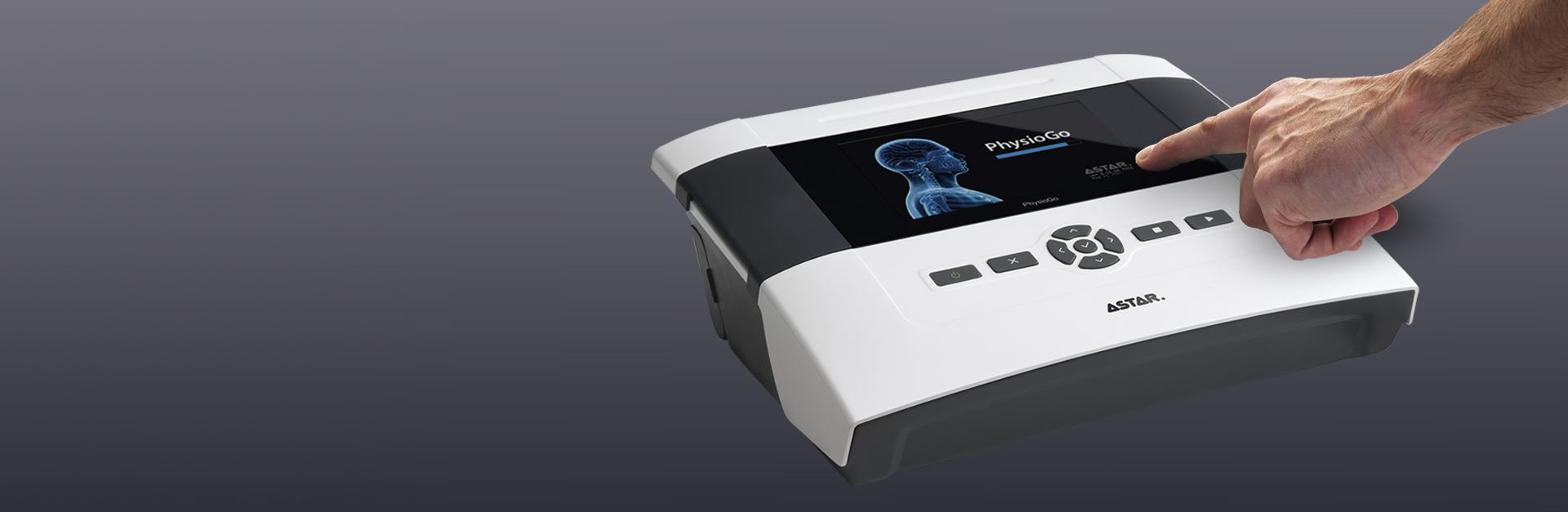
The modern PhysioGo 101A device represents the PhysioGo unit line manufactured by ASTAR company. This fully two-channel device is used in many physiotherapeutic offices to perform electrotherapy and electrodiagnostic procedures.
Learn more about the capabilities of the PhysioGo 101A device
The PhysioGo 101A model has a built-in Li-Ion battery with a capacity of 2250 mAh

Electrotherapy device PhysioGo 101 A can be easily ang quickly transported in between two physiotherapy practice locations. Its low weight and a specially designed bag that holds the device together with the equipment enable safe transport.
PhysioGo 101A model has been equipped with a battery, which makes it possible to carry out treatments even when it is not possible to connect the device to a power source. The rechargeable PhysioGo devices can run on battery power for up to 5.5 hours.
The device allows electrotherapy to be carried out using the available therapeutic currents, i.e. microcurrents, Kotz current, TENS currents, currents dedicated to spastic paralysis therapy, diadynamic currents, impulse currents (rectangular pulses; triangular pulses; Trabert current), tonolysis, galvanic currents and others. In addition, thanks to the device it is possible to conduct semi-automatic electrodiagnostics of the neuromuscular system – curve I/t. Its purpose is to determine the condition of the examined muscle, and thus the selection of optimal electrostimulation parameters.
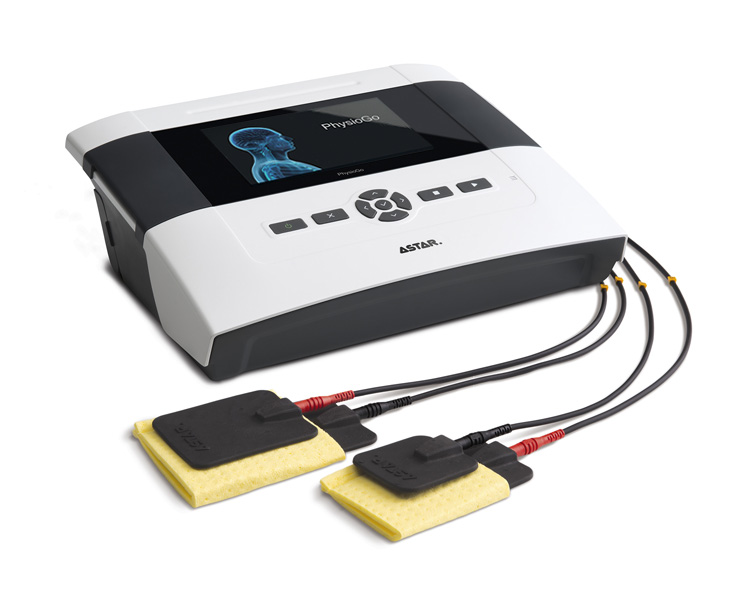
The PhysioGo 101A meets the requirements of the European Parliament and Council Regulation (EU) 2017/745, which ensures safe therapy for the therapist and the patient. The device has been equipped with a self-test procedure – enabling the current control of the device’s functional status each time it is turned on. In addition, the operator can independently test the electrodes used in electrotherapy.
The device has been designed with comfort and ergonomics in mind. The built-in treatment encyclopaedia contains a list of disease entities and the methodology for performing individual treatments in a graphic and descriptive form. The device has a database of 69 built-in treatment programs and 38 predefined treatment sequences (combining several types of currents into one therapeutic sequence).
Treatment programs can be selected by name or based on medical fields, i.e. orthopedics, sports medicine, aesthetic medicine, rheumatology, neurology, urology, dermatology, and angiology.
The user can also create a list of favorite programs based on built-in procedures. In addition, it is possible to define and name 50 custom programmes and 10 sequences. The device also allows for manual operation and independent control of the treatment parameters by the user.
The device also allows to work in manual mode and to control independently the treatment parameters by the user.
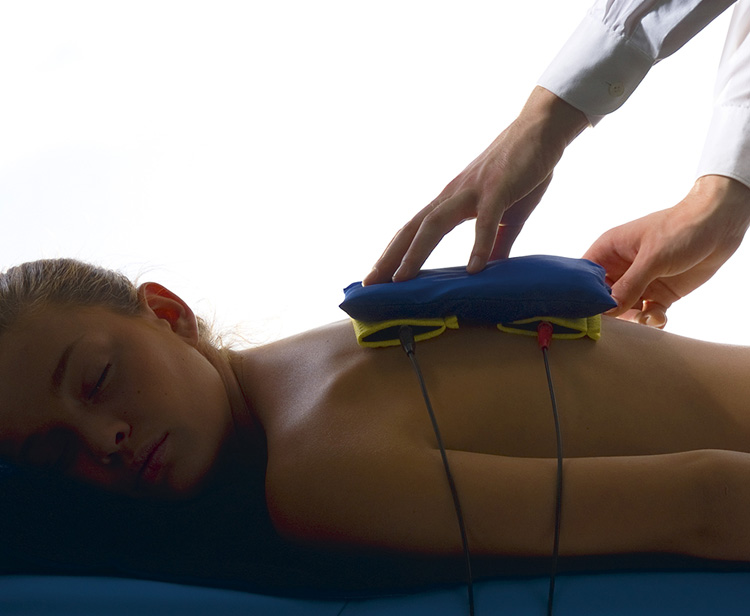
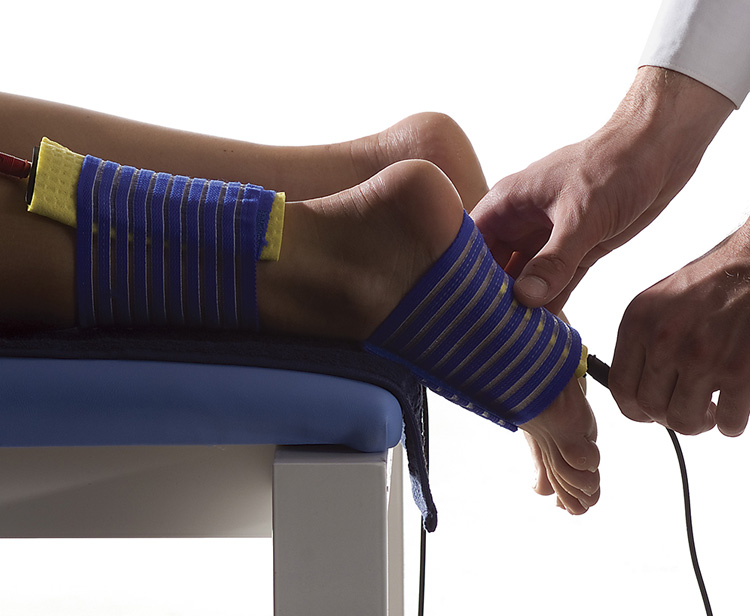
The device have been equipped with two independent treatment channels. This allows the patient to have four-electrode treatments or two separate stimulations on different parts of the body at the same time.
Devices from the PhysioGo family are premium class devices that feature high quality components and modern design. They have a comfortable 7-inch display with a touch panel. ASTAR devices are well recognized among physiotherapists in Poland and in the world.
The beginnings of electrotherapy go back to the eighteenth century. Its precursor was prof. Luigi Galvani. Due to the fact that electrotherapy is such a mature method of physical therapy, it is well tested, which is confirmed by numerous scientific studies. This makes electrotherapy a very useful healing tool.
Worldwide presence
ASTAR devices are available in 70 countries through our network of authorized distributors and service partners.

Access to content is only possible for individuals practicing in the medical field or involved in the trade of medical devices.
We use cookies to improve your experience, analyse traffic and personalise ads. Essential cookies are always on. Cookie Policy


